Adderall (Amphetamine/Dextroamphetamine) – FDA-Approved Uses, Dosage, Side Effects & Safety Guide for US Patients
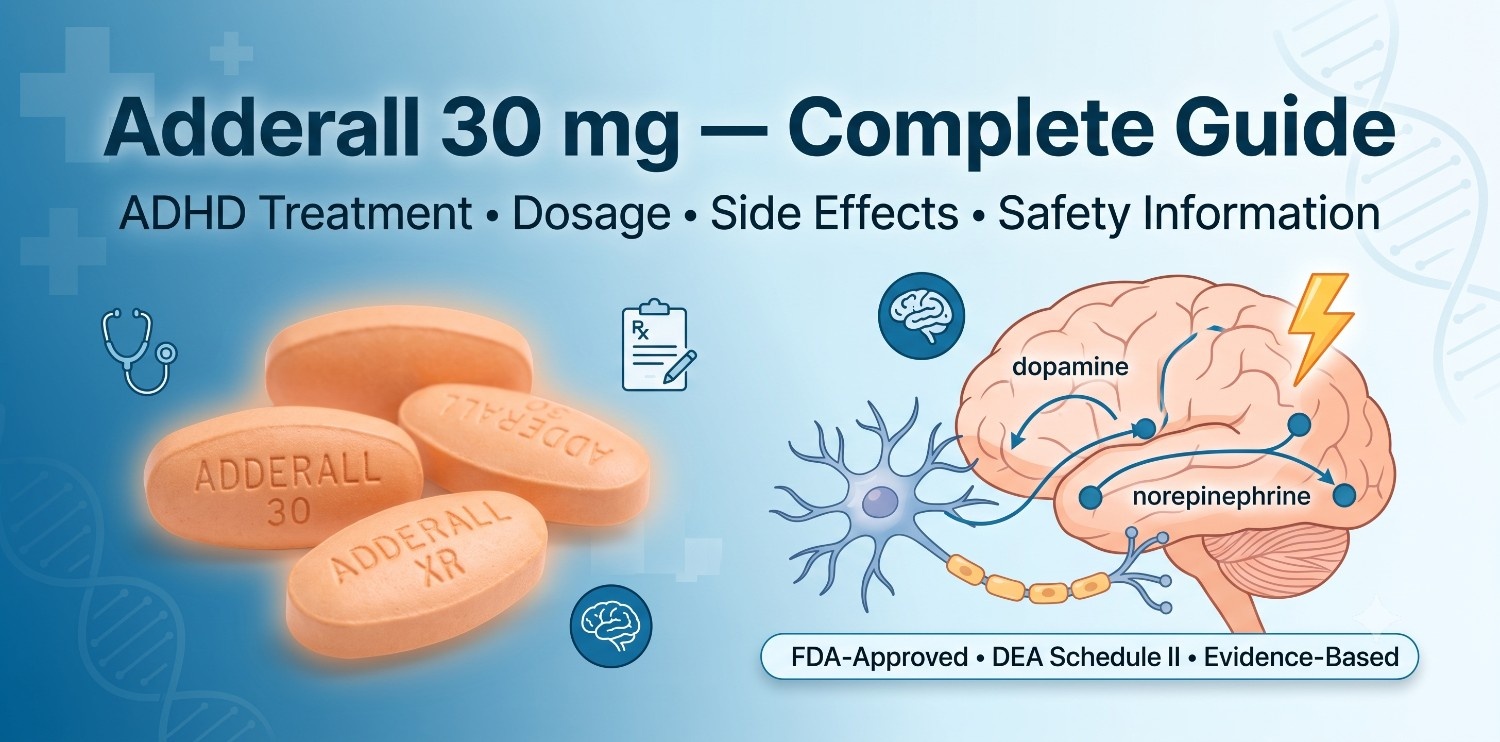
Adderall (amphetamine/dextroamphetamine) is a prescription central nervous system stimulant used for ADHD and narcolepsy in US patients.
📑 Table of Contents
📖 Introduction: Adderall in US Healthcare
Adderall, the brand name for a combination of amphetamine and dextroamphetamine, is one of the most widely prescribed medications in the United States for the treatment of Attention Deficit Hyperactivity Disorder (ADHD) and narcolepsy. Since its FDA approval, Adderall has become a cornerstone in managing these conditions, helping millions of US patients improve focus, attention, and impulse control.
The 30 mg dose is one of the higher strengths available and is typically prescribed for patients who require more significant symptom control. However, the potency of this medication demands careful medical supervision due to its Schedule II controlled substance classification and high potential for abuse and dependence.
- How Adderall works at the molecular level
- FDA-approved indications and US clinical guidelines
- Practical dosage information for US patients
- Common and serious side effects
- Critical safety warnings, including Boxed Warnings
- Drug interactions and precautions
- Answers to the most frequent questions from US patients
💊 What Is Adderall? A US Perspective
Adderall is the proprietary brand name for a combination of amphetamine and dextroamphetamine salts. The formulation contains a 3:1 ratio of dextroamphetamine to amphetamine, which provides a balanced and sustained therapeutic effect. In the United States, Adderall is classified as a Schedule II controlled substance by the DEA, indicating a high potential for abuse and dependence.
The 30 mg tablet is one of the highest available strengths and is typically reserved for patients who have developed tolerance to lower doses or who require more robust symptom control. It is available in both immediate-release and extended-release formulations.
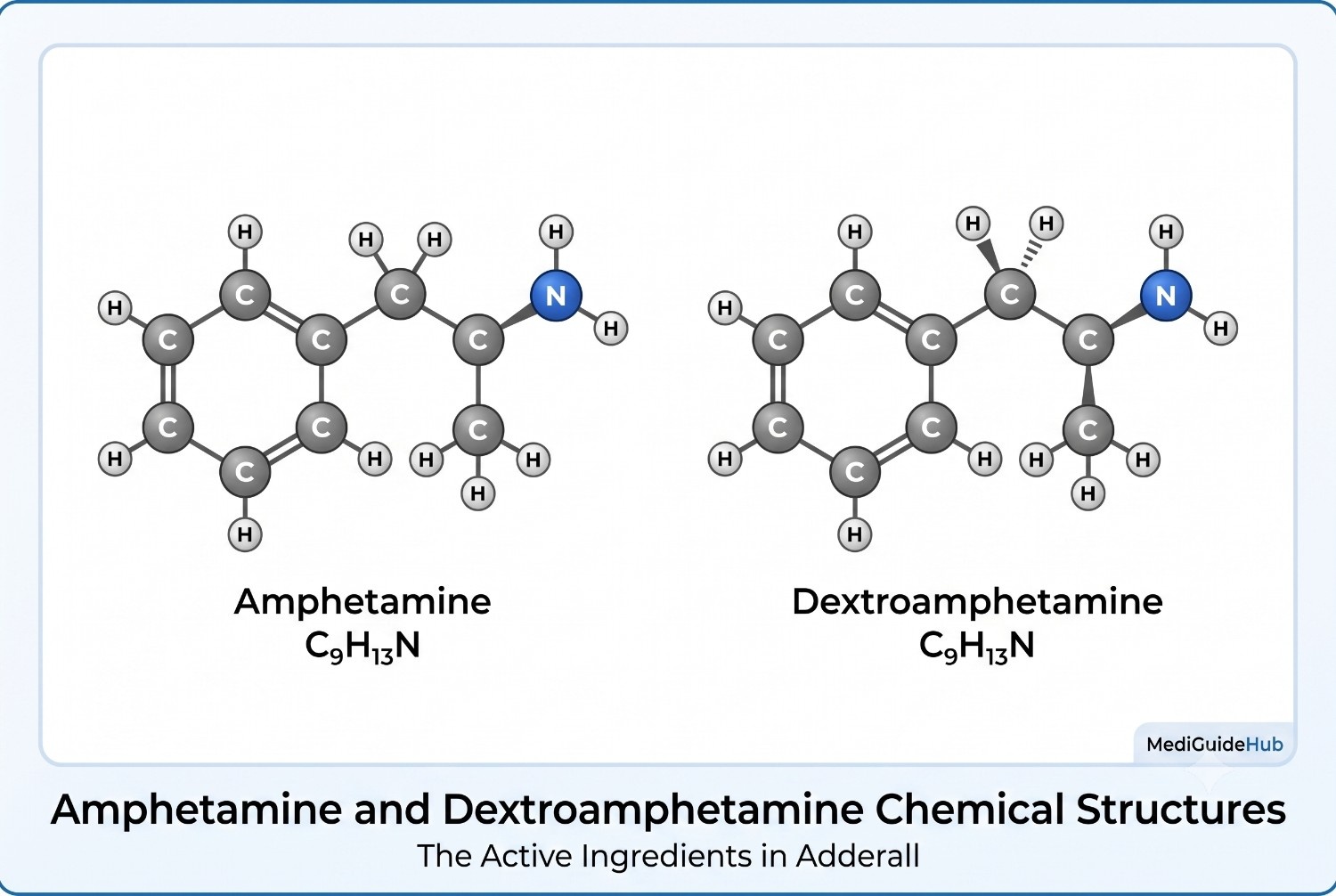
Amphetamine and dextroamphetamine chemical structures — the active ingredients in Adderall.
External Reference: FDA | DailyMed
🧠 How Does Adderall Work in the Body?
Mechanism of Action
Adderall exerts its therapeutic effects by increasing the release of dopamine and norepinephrine in the brain while blocking their reuptake. This results in higher concentrations of these neurotransmitters in the synaptic cleft, enhancing communication between neurons.
- Dopamine: Plays a key role in motivation, reward, and focus.
- Norepinephrine: Enhances alertness, attention, and executive function.
The D-isomer (dextroamphetamine) is more potent than the L-isomer, contributing to the overall efficacy of the combination.
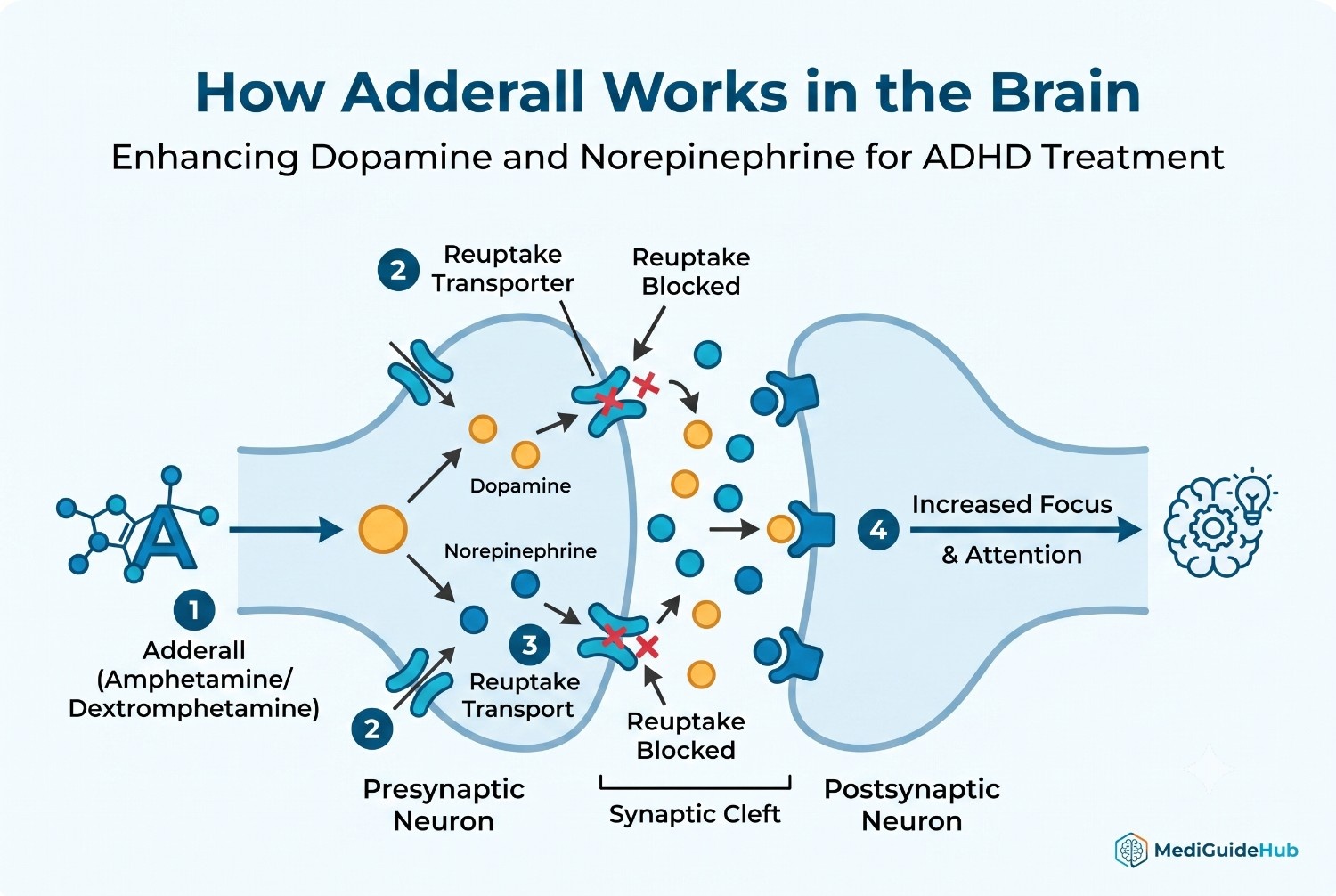
Adderall mechanism of action — increasing dopamine and norepinephrine levels in the brain.
Pharmacokinetics (US Clinical Reference)
- Absorption: Rapidly absorbed from the gastrointestinal tract; peak plasma concentrations occur approximately 3 hours post-dose.
- Distribution: Highly lipophilic, crosses the blood-brain barrier easily.
- Metabolism: Hepatic via the CYP450 system.
- Excretion: Renally eliminated with a half-life of 9 to 14 hours.
Learn more: how Adderall works in the body
✅ FDA-Approved Uses for Adderall
The FDA has approved Adderall for the following indications in the US:
- Attention Deficit Hyperactivity Disorder (ADHD): Adderall is indicated for the treatment of ADHD in adults and pediatric patients 6 years and older.
- Narcolepsy: Adderall is also approved for the treatment of narcolepsy in US patients.
External Reference: FDA Label
⭐ Clinical Benefits of Adderall in US Practice
- Improves Focus and Attention: Enhances concentration and reduces distractibility in patients with ADHD.
- Reduces Hyperactivity and Impulsivity: Helps patients better control impulsive behaviors.
- Supports Daily Functioning: Improves productivity at school, work, and in daily life.
- Manages Narcolepsy Symptoms: Reduces excessive daytime sleepiness and promotes wakefulness.
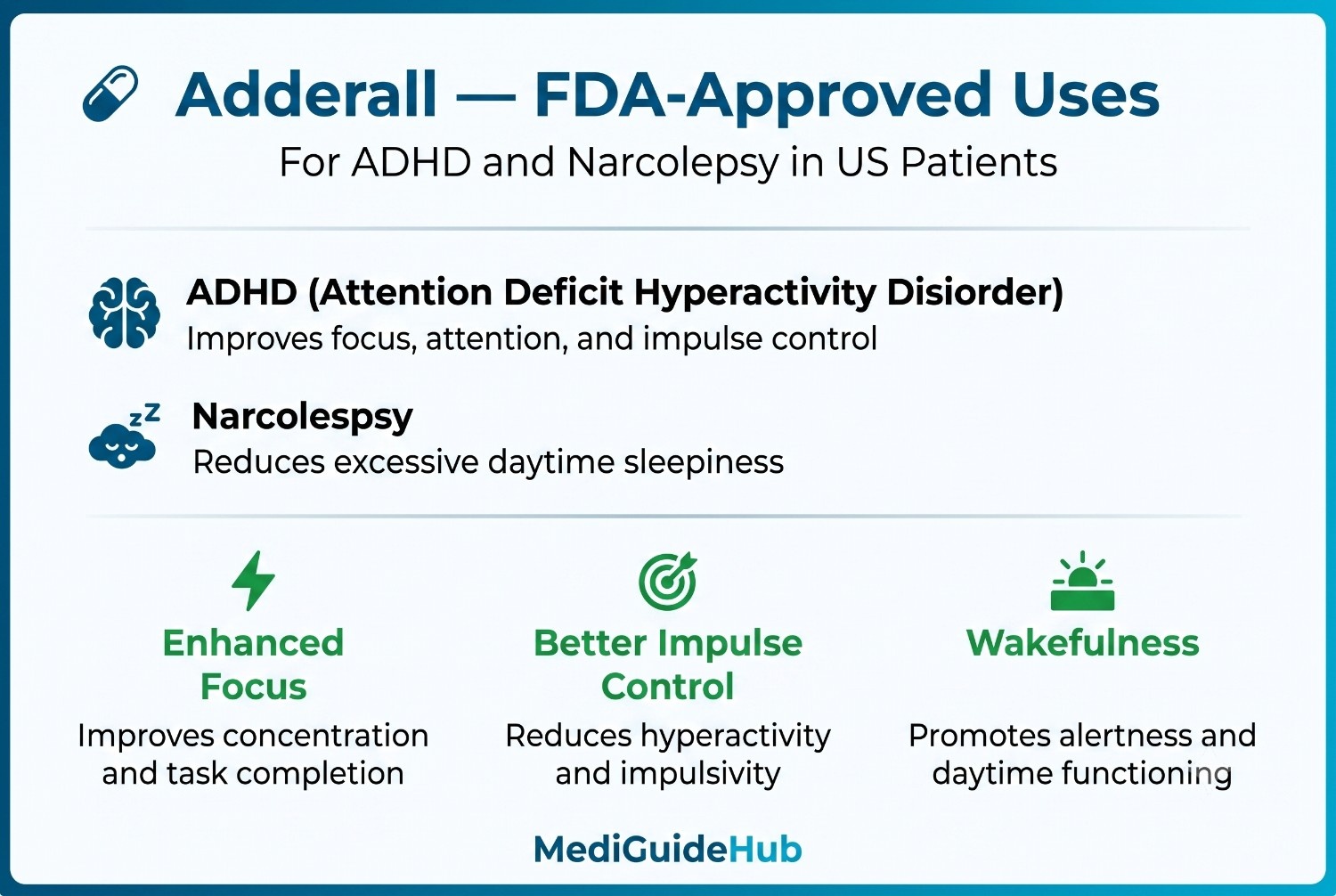
Adderall benefits for ADHD treatment — improved focus, impulse control, and wakefulness.
Explore related topics: common side effects of Adderall
💊 Adderall Dosage Overview (Educational Reference)
Critical Note: The following information is for educational purposes only. Dosing must be individualized by a licensed prescriber based on US clinical standards.
| Population | Starting Dose (Adderall XR) | Maximum Dose |
|---|---|---|
| Pediatric (6-12 years) | 10 mg once daily | 30 mg once daily |
| Pediatric (13-17 years) | 10 mg once daily | 30 mg once daily |
| Adults | 20 mg once daily | 40 mg once daily |
| Severe Renal Impairment | 5-15 mg once daily | 20 mg once daily |
The 30 mg dose is typically used in patients who have established tolerance to lower doses. It should only be prescribed after careful titration under medical supervision.
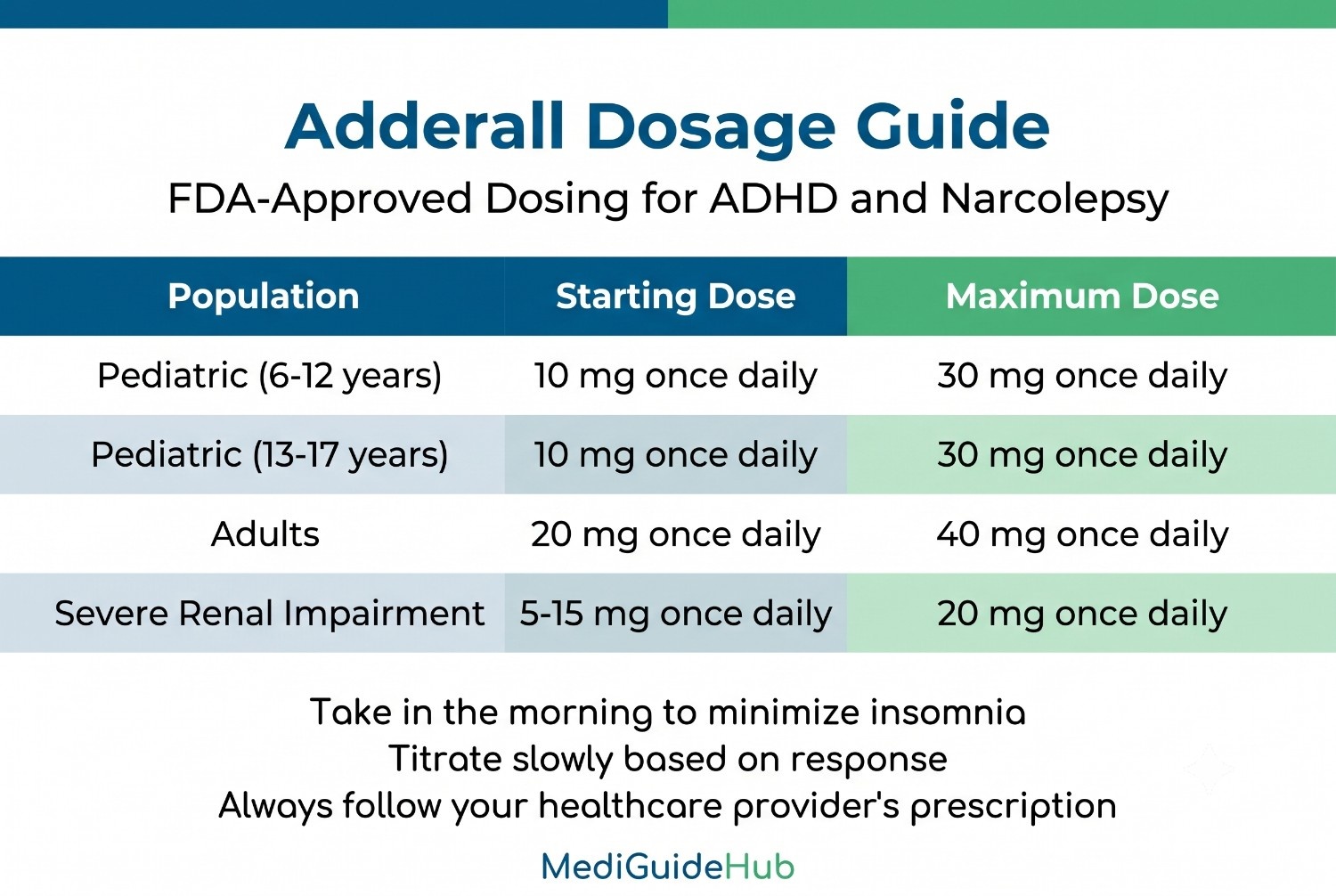
Adderall dosage guide — starting doses and maximum doses for ADHD and narcolepsy in US patients.
Read more: Adderall dosage guidelines
⚠️ Common and Serious Side Effects
Like all medications, Adderall can cause side effects. The most common (affecting 10-30% of US patients) include:
- Decreased Appetite — the most frequently reported side effect.
- Dry Mouth
- Trouble Sleeping (Insomnia)
- Headache and Stomach Pain
- Nausea and Constipation
- Weight Loss
- Anxiety and Dizziness
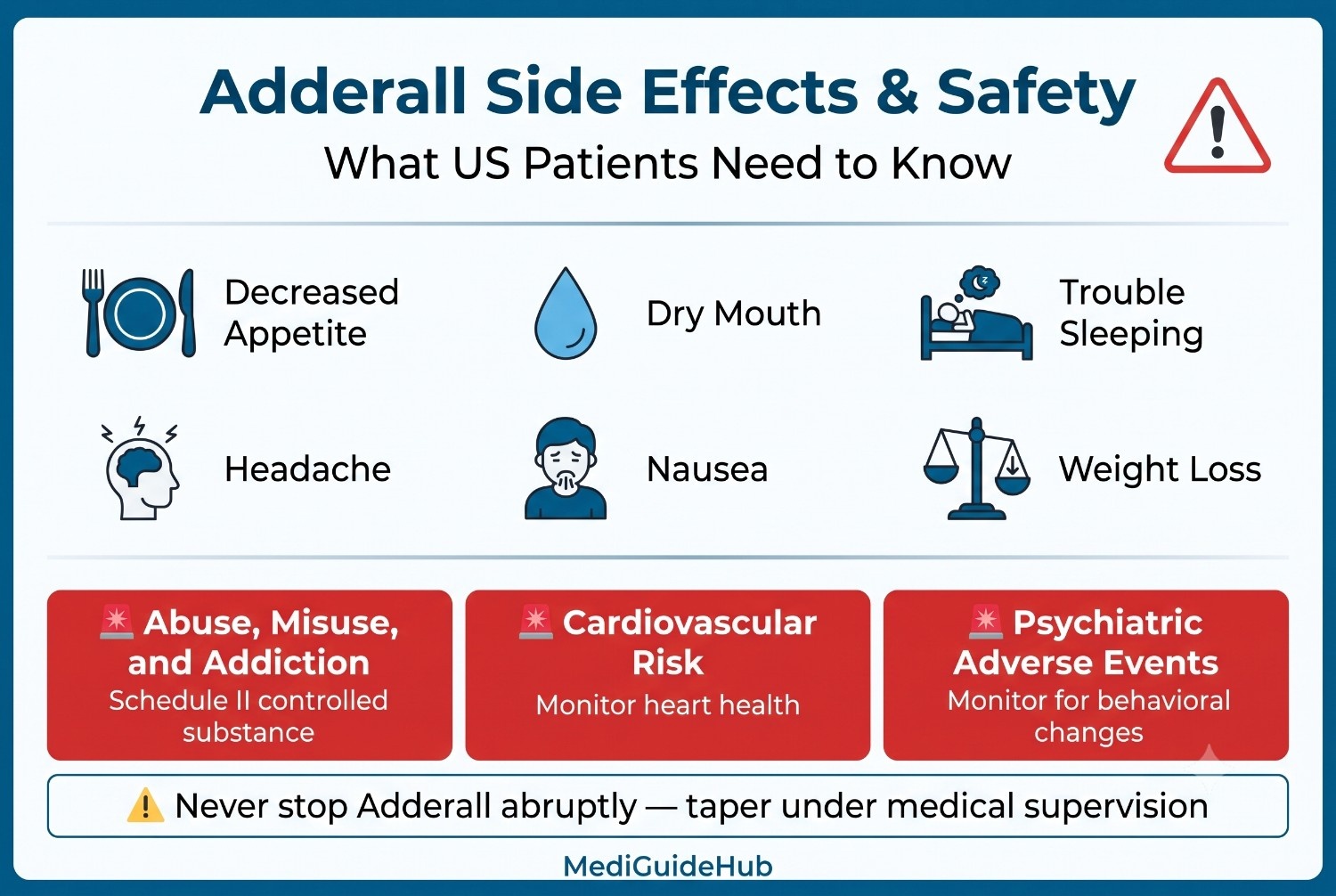
Adderall side effects and safety information — common side effects and FDA boxed warnings for US patients.
Read more: comprehensive side effects guide
🚨 FDA Boxed Warnings (US Mandate)
Adderall has a high potential for abuse and misuse, which can lead to the development of a substance use disorder, including addiction. Misuse and abuse of CNS stimulants can result in overdose and death.
Sudden death has been reported with usual doses of CNS stimulants in children and adolescents with structural cardiac abnormalities. Stroke and myocardial infarction have been reported in adults.
Stimulants may cause treatment-emergent psychotic or manic symptoms in patients with no prior history. Monitor patients closely for behavioral changes.
🚫 Contraindications
- Advanced arteriosclerosis
- Symptomatic cardiovascular disease
- Moderate to severe hypertension
- Hyperthyroidism
- Glaucoma
- Agitated states
- History of drug abuse
- Known hypersensitivity to amphetamine
- Patients taking MAOIs or within 14 days of stopping
External Reference: Mayo Clinic
🔗 Adderall Drug Interactions
- MAOIs: Contraindicated; risk of hypertensive crisis.
- SSRIs and SNRIs: May increase the risk of serotonin syndrome.
- Blood Pressure Medications: Adderall may reduce the effectiveness of antihypertensives.
- Antacids: May increase the absorption of Adderall.
- Alcohol: Avoid alcohol while taking Adderall.
Read more: detailed drug interaction guide
🔬 Precautions for US Patients
- Pregnancy and Breastfeeding: Adderall should only be used during pregnancy if the potential benefit justifies the potential risk.
- Cardiovascular Disease: Use with caution in patients with pre-existing heart conditions.
- Psychiatric History: Monitor for new or worsening psychotic or manic symptoms.
- Driving: Adderall may impair your ability to drive or operate machinery.
📉 Adderall Withdrawal
Chronic use of Adderall can lead to physical dependence. Withdrawal symptoms may include:
- Fatigue and depression
- Sleep disturbances
- Increased appetite
- Irritability and anxiety
The only safe method to discontinue Adderall is through a gradual, medically supervised taper. Never attempt to stop 30 mg of Adderall suddenly.
Read more: safe tapering strategies for Adderall
❓ Frequently Asked Questions About Adderall
📌 Conclusion: Balancing Efficacy with Safety
Adderall remains a highly effective and valuable medication in US healthcare, particularly for the management of ADHD and narcolepsy. The 30 mg dose is a potent strength that requires careful medical supervision. Its mechanism of action — enhancing dopamine and norepinephrine levels — provides significant symptom relief but also carries a burden of risk, including dependence, withdrawal, and cardiovascular concerns.
- Adderall is a CNS stimulant used for ADHD and narcolepsy.
- The 30 mg dose is a high strength requiring careful medical supervision.
- Common side effects include decreased appetite, insomnia, and weight loss.
- Serious risks include abuse potential, cardiovascular events, and psychiatric symptoms.
- Always taper under medical supervision — never stop abruptly.
📚 References & Sources
