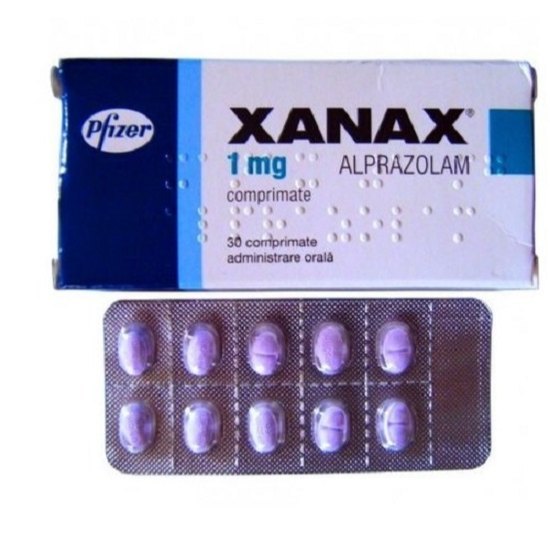
Xanax (Alprazolam) – FDA-Approved Uses, Dosage, Side Effects & Safety Guide for US Patients

Xanax (alprazolam) is a prescription benzodiazepine medication used for anxiety and panic disorders.
📑 Table of Contents
📖 Introduction: Xanax in Modern US Medicine
Xanax, the brand name for alprazolam, has been a trusted medication in the United States for over four decades. Since its FDA approval in 1981, it has become a cornerstone in the management of anxiety disorders and panic disorder. As a member of the benzodiazepine class, Xanax works by calming the central nervous system, providing rapid relief for patients experiencing severe stress, panic, or anxiety. The 1 mg dose is a common starting dose, offering effective symptom relief while minimizing side effects.
Despite the emergence of newer antidepressants and non-benzodiazepine anxiolytics, Xanax remains a valuable tool in the US clinical arsenal. Its short half-life (approximately 11–12 hours) allows for flexible dosing, making it ideal for acute panic episodes. However, this same property also increases the risk of interdose withdrawal and dependence. This guide offers a comprehensive, evidence-based overview of Xanax 1 mg, tailored for US patients and caregivers. Remember: This information is for educational purposes only. Always consult your physician before starting or stopping any medication.
- How Xanax works at the molecular level (GABA-A receptor modulation)
- FDA-approved indications and off-label uses in the US
- Practical dosage guidelines (educational reference)
- Common and serious side effects, including boxed warnings
- Critical drug interactions (especially with opioids and alcohol)
- Safe withdrawal and tapering strategies based on US clinical protocols
- Answers to the most frequent questions from US patients
💊 What Is Xanax (Alprazolam)? A US Perspective
Xanax is the proprietary brand name for alprazolam, a short-acting benzodiazepine. In the United States, alprazolam is categorized as a Schedule IV controlled substance by the DEA, indicating a legitimate medical use but a potential for abuse and dependence, which is lower than Schedule II or III drugs. The 1 mg tablet contains alprazolam along with inactive ingredients like lactose, magnesium stearate, and microcrystalline cellulose, ensuring consistent bioavailability.
When compared to other benzodiazepines commonly prescribed in the US, such as Valium (diazepam) and Ativan (lorazepam), Xanax stands out due to its short duration of action. Its half-life ranges from 11 to 12 hours, and it has no active metabolites. This makes Xanax ideal for acute panic episodes, but it also increases the risk of interdose withdrawal and dependence, especially in patients who require frequent dosing.
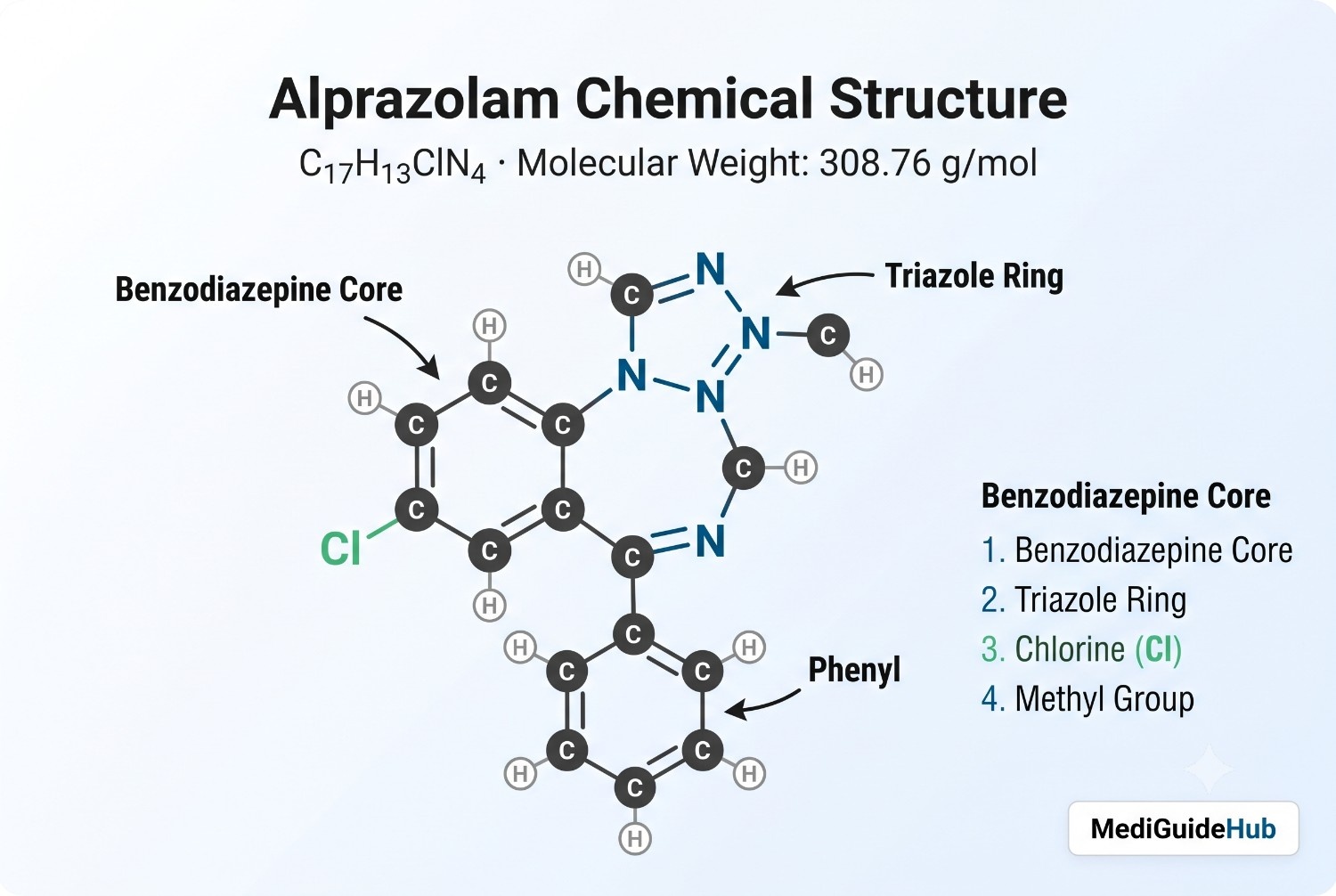
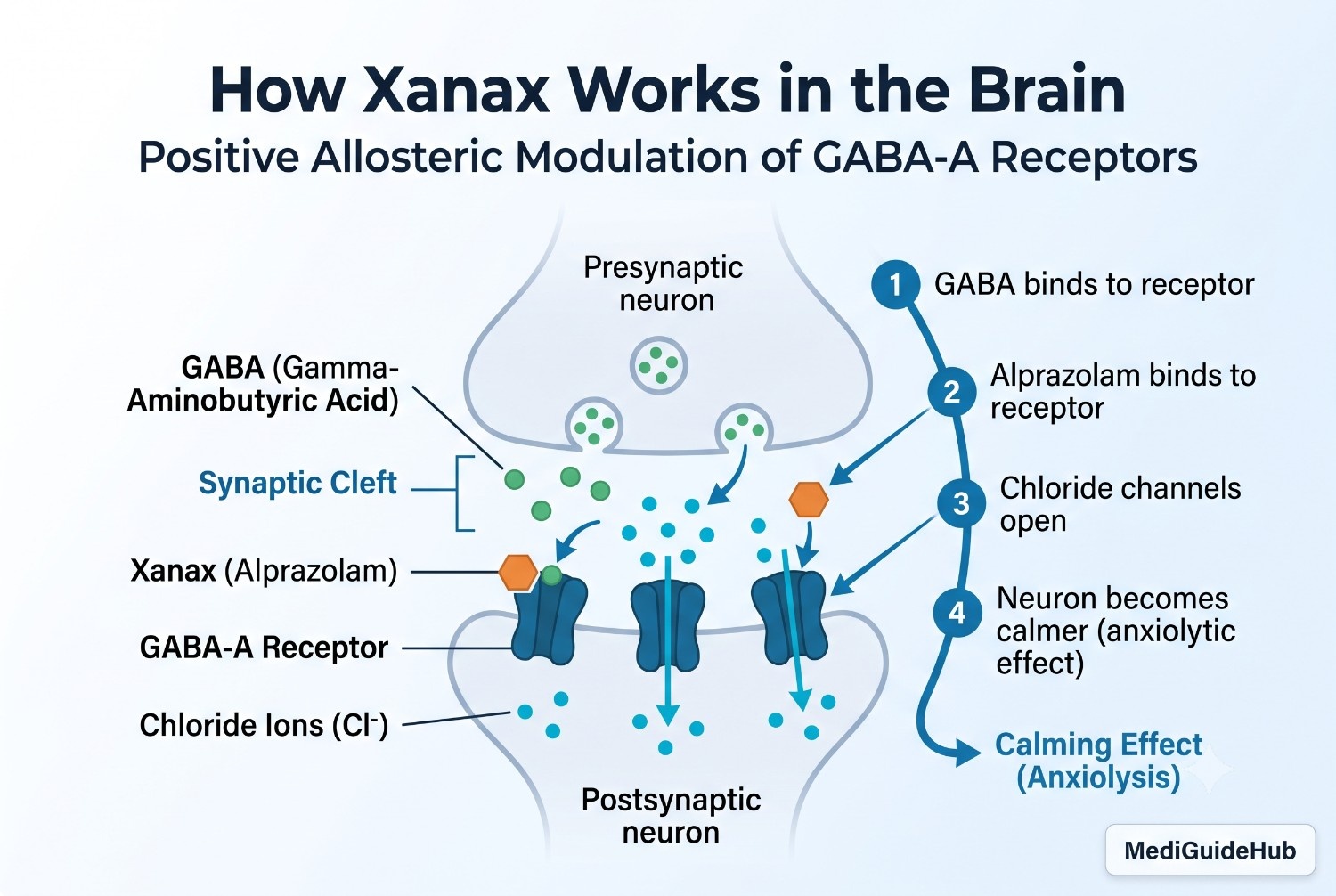
Left: Alprazolam chemical structure. Right: Benzodiazepine mechanism of action (GABA-A receptor potentiation).
External Reference: FDA | DailyMed
🧠 How Does Xanax Work in the Body?
The GABA-A Receptor Mechanism
To understand how alprazolam works, one must first grasp the role of gamma-aminobutyric acid (GABA), the primary inhibitory neurotransmitter in the mammalian central nervous system. GABA acts as a natural "brake" on neuronal firing, reducing anxiety and promoting relaxation. Alprazolam acts as a positive allosteric modulator at the GABA-A receptor, binding to a distinct site and increasing the frequency of chloride channel openings. This enhances the inhibitory effect of GABA, leading to reduced neuronal excitability, anxiolysis, and sedation.
Pharmacokinetics (US Clinical Reference)
- Absorption: Rapid and nearly complete oral absorption; peak plasma concentrations of 1 mg occur within 1–2 hours.
- Distribution: Highly lipophilic, crosses the blood-brain barrier easily; approximately 80% protein-bound.
- Metabolism: Hepatic via CYP3A4, producing inactive metabolites.
- Excretion: Renally eliminated with a terminal half-life of 11–12 hours; detectable in urine for up to 4 days.
Clinically, patients taking Xanax 1 mg can expect to feel the effects within 30–60 minutes, with peak effects at 1–2 hours. Due to its short duration, multiple daily doses are often required for chronic therapy.
Learn more: how Xanax works in the body
✅ FDA-Approved Uses for Xanax
The FDA has approved Xanax for the following indications in the US:
- Management of Anxiety Disorders: Short-term (2–4 weeks) relief of anxiety symptoms. The 1 mg dose is often used for moderate to severe episodes.
- Panic Disorder: Treatment of panic disorder, with or without agoraphobia.
- Short-Term Relief: For anxiety associated with depression (off-label, but commonly prescribed).
External Reference: FDA Label
⭐ Clinical Benefits of Xanax in US Practice
- Rapid Onset: Relief within 30–60 minutes for acute anxiety or panic.
- Short Duration: Ideal for acute panic episodes, with minimal accumulation.
- Broad Spectrum: Addresses anxiety and panic disorder.
- Cost-Effective: As a generic, alprazolam remains affordable for US patients.
Explore related topics: common and serious side effects of Xanax
💊 Xanax Dosage Overview (Educational Reference)
Critical Note: The following information is for educational purposes only. Dosing must be individualized by a licensed prescriber based on US clinical standards.
| Indication | Typical Oral Dosage (US Guidelines) |
|---|---|
| Anxiety (moderate) | 0.25–0.5 mg PO every 6–8 hours |
| Anxiety (severe) | 0.5–1 mg PO every 6–8 hours |
| Panic Disorder (initial) | 0.5 mg PO every 8 hours |
| Panic Disorder (maintenance) | 1–2 mg PO every 8 hours |
The 1 mg tablet is a common starting dose for moderate to severe anxiety. Most US prescribers initiate at 0.25–0.5 mg and titrate based on response.
Read more: Xanax dosage guidelines
⚠️ Common and Serious Side Effects
Like all medications, Xanax can cause side effects. The most common (affecting 10–30% of US patients) include:
- Drowsiness (Somnolence): The most frequently reported, especially with the 1 mg dose.
- Dizziness and Ataxia: Impaired coordination increases fall risk, particularly in elderly patients.
- Confusion and Cognitive Impairment.
- Fatigue and Muscle Weakness.
- Blurred Vision and Slurred Speech.
- Increased Salivation.
Read more: comprehensive side effects guide
🚨 FDA Boxed Warnings (US Mandate)
Concomitant use of benzodiazepines (including Xanax) and opioids may result in profound sedation, respiratory depression, coma, and death.
The use of benzodiazepines exposes users to the risks of abuse, misuse, and addiction, which can lead to overdose or death.
Xanax can cause physical dependence, and a sudden discontinuation can precipitate life-threatening withdrawal reactions. Do not stop taking Xanax abruptly.
Read more: safe tapering strategies for Xanax
🚫 Contraindications
- Hypersensitivity to alprazolam
- Myasthenia Gravis
- Severe Respiratory Insufficiency
- Severe Hepatic Insufficiency
- Acute Narrow-Angle Glaucoma
- Children Under 18 Years of Age
External Reference: Mayo Clinic
🔗 Xanax Drug Interactions
- Opioid Analgesics: Fatal respiratory depression risk. Never combine Xanax with opioids.
- Alcohol: Avoid alcohol while taking Xanax.
- Other CNS Depressants: Sedatives, hypnotics, antipsychotics compound sedative effects.
- Grapefruit Juice: Avoid grapefruit products.
Read more: detailed drug interaction guide
🔬 Precautions for US Patients
- Pregnancy and Breastfeeding: Pregnancy Category D – not recommended.
- Kidney or Liver Disease: Dose adjustments may be necessary.
- History of Depression: Benzodiazepines can worsen depression.
- Driving: Do not drive or operate heavy machinery until you know how Xanax affects you.
📉 Xanax Withdrawal and Safe Tapering
Chronic use of Xanax leads to physical dependence. Withdrawal symptoms may appear within 24 to 48 hours after the last dose due to its short half-life. The only safe method to discontinue Xanax is through a gradual, medically supervised taper. Never attempt to stop 1 mg of Xanax suddenly.
Read more: safe tapering strategies for Xanax
❓ Frequently Asked Questions About Xanax
📌 Conclusion: Balancing Efficacy with Safety
Xanax (alprazolam) remains a highly effective and valuable medication in US healthcare, particularly for short-term management of anxiety and panic disorder. The 1 mg tablet is a common starting dose that can significantly improve quality of life when used appropriately. However, its power must be respected: the three FDA Boxed Warnings underscore the risks of concomitant use with opioids, abuse potential, and life-threatening withdrawal.
- Xanax is a benzodiazepine used for anxiety and panic disorder.
- The 1 mg dose is a common starting point and requires careful medical supervision.
- Common side effects include drowsiness, dizziness, and confusion.
- Serious risks include dependence, withdrawal, and fatal interactions with opioids and alcohol.
- Always taper under medical supervision — never stop abruptly.
📚 References & Sources