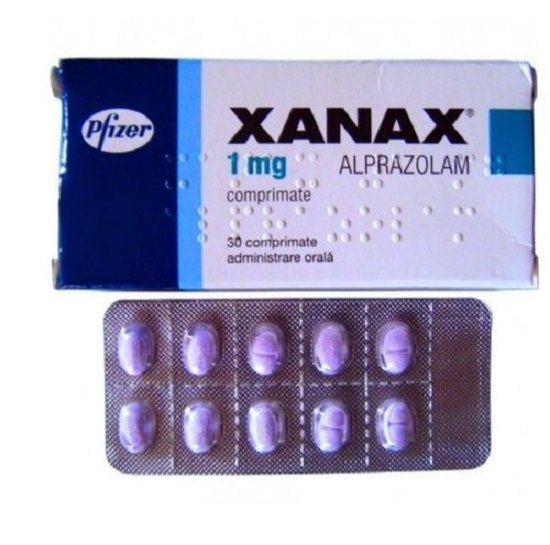
Xanax Side Effects – Common, Serious & Long-Term Risks for US Patients

⚠️ Introduction: Understanding Xanax Side Effects for US Patients
Xanax (alprazolam) is one of the most commonly prescribed medications in the United States for anxiety and panic disorders. According to the FDA, it is classified as a Schedule IV controlled substance by the DEA. While it can be highly effective for short-term symptom relief, it also comes with a range of potential side effects that US patients need to be aware of before starting treatment.
Read more: Read our complete Xanax guide →
- Common side effects of Xanax reported by US patients
- Serious side effects requiring immediate medical attention
- Long-term risks and safety considerations
- How to manage side effects effectively
- When to contact your US healthcare provider
- US-specific resources for support
📋 Common Side Effects of Xanax for US Patients
According to the FDA label for Xanax, the most commonly reported side effects among US patients include:
| Side Effect | Frequency (US Studies) | Management Tips |
|---|---|---|
| Drowsiness | 20-30% | Take at bedtime; avoid driving |
| Dizziness | 10-20% | Rise slowly from sitting positions |
| Fatigue | 5-15% | Rest and stay hydrated |
| Dry Mouth | 5-10% | Drink plenty of water |
| Confusion | 3-8% | Lower dose may be needed |
| Headache | 3-7% | Over-the-counter pain relief (with caution) |
| Nausea | 2-5% | Take with food |
- Drowsiness: Take Xanax at bedtime to utilize the sedative effect for sleep.
- Dizziness: Rise slowly from sitting or lying positions to prevent falls.
- Dry Mouth: Stay hydrated and chew sugar-free gum.
- Confusion: Avoid alcohol and other CNS depressants.
- Headache: Rest and stay hydrated.
🚨 Serious Side Effects of Xanax
- Difficulty breathing or respiratory depression
- Severe allergic reactions (hives, swelling of face/lips/throat)
- Seizures
- Hallucinations or severe confusion
- Suicidal thoughts or actions
- Signs of liver injury (yellowing of skin/eyes, dark urine)
📞 In an emergency, call 911 immediately or go to the nearest emergency room.
Read more: Withdrawal & Tapering Guide
📈 Long-Term Side Effects and Risks
Long-term use of Xanax is associated with several risks that US patients should consider:
Physical Dependence
With continued use, the brain adapts to the presence of alprazolam. Patients may require higher doses to achieve the same effect (tolerance) and may experience withdrawal symptoms if the medication is stopped abruptly.
Withdrawal Symptoms
Withdrawal from Xanax can be severe and may include:
- Rebound anxiety — anxiety that is more intense than before treatment
- Insomnia and nightmares
- Tremors and muscle twitching
- Seizures — a life-threatening complication
- Hallucinations and psychosis
Cognitive Impairment
Long-term use of benzodiazepines like Xanax has been associated with cognitive decline, including memory problems and difficulty concentrating.
Read more: Withdrawal & Tapering Guide
⚕️ Factors That Increase Risk of Side Effects
- High doses: Higher doses increase the risk of side effects
- Elderly patients: More sensitive to sedative effects
- Combination with other CNS depressants: Increases sedation risk
- History of substance abuse: Higher risk of dependence
- Liver or kidney disease: Reduced clearance of the drug
Read more: Drug Interactions Guide
🇺🇸 US-Specific Resources for Xanax Side Effects
- FDA: FDA Consumer Information
- DEA: Drug Enforcement Administration
- SAMHSA: SAMHSA National Helpline (1-800-662-4357)
- CDC: Centers for Disease Control and Prevention
- Poison Control: Poison Help (1-800-222-1222)
- NIH: National Institutes of Health
- MedlinePlus: MedlinePlus - Alprazolam
❓ Frequently Asked Questions About Xanax Side Effects for US Patients
📌 Conclusion: Managing Xanax Side Effects Safely in the US
Xanax is an effective medication for anxiety and panic disorders, but it comes with potential side effects that US patients should be aware of. Understanding the common, serious, and long-term side effects empowers patients to make informed decisions and seek medical attention when necessary.
Key Takeaways for US Patients:
- Common side effects like drowsiness and dizziness are usually mild and temporary.
- Serious side effects like respiratory depression require immediate medical attention.
- Long-term use carries risks of dependence, withdrawal, and cognitive impairment.
- Always follow your prescription and never adjust your dose without consulting your healthcare provider.
- Do not stop Xanax abruptly — withdrawal can be life-threatening.
- For a complete overview, read our Xanax medication guide.
- Always consult the FDA, DEA, and Mayo Clinic for the most up-to-date information.
- In an emergency, call 911 or go to the nearest emergency room.
📚 Trusted US External Sources
- 🔗 FDA Label: Xanax (alprazolam)
- 🔗 DailyMed - Alprazolam Prescribing Information
- 🔗 Mayo Clinic - Alprazolam
- 🔗 PubMed Central - Clinical Studies
- 🔗 MedlinePlus - Alprazolam
- 🔗 DEA - Drug Enforcement Administration
- 🔗 SAMHSA National Helpline (1-800-662-4357)
- 🔗 Poison Help (1-800-222-1222)
- 🔗 CDC - Centers for Disease Control and Prevention
📚 Read the complete medication guide: Xanax (Alprazolam) Master Guide — Uses, Dosage, Side Effects & Safety
Related Guides: How Xanax Works • Withdrawal & Tapering • Drug Interactions • Xanax FAQs
Compare with: Valium Guide • Ativan Guide • Klonopin Guide • Ambien Guide • Oxycodone Guide