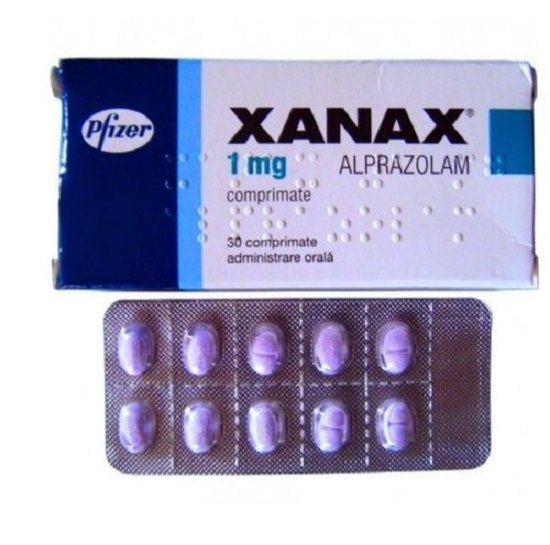
Xanax Drug Interactions – What to Avoid (Opioids, Alcohol & More)

📑 Table of Contents
📖 Introduction: Why Xanax Drug Interactions Matter
Xanax (alprazolam) is a widely prescribed benzodiazepine for anxiety and panic disorders. However, like all medications, it can interact with other drugs, supplements, and even certain foods. These drug interactions can range from mild side effects to life-threatening emergencies — especially when combined with opioids or alcohol.
According to the FDA and Mayo Clinic, understanding Xanax drug interactions is essential for patient safety. This guide covers the most important interactions to avoid, including dangerous combinations with opioids, alcohol, and other CNS depressants.
Read more: Read our complete Xanax guide →
The FDA has issued a Boxed Warning for benzodiazepines, including Xanax, regarding the serious risks of concomitant use with opioids, which can result in profound sedation, respiratory depression, coma, and death. Always inform your healthcare provider about all medications you are taking.
- Dangerous interactions with opioids — FDA Boxed Warning
- Why alcohol and Xanax should never be mixed
- Interactions with other CNS depressants (sedatives, sleep medications)
- How antidepressants affect Xanax metabolism
- Antifungals, antibiotics, and other medications
- Why grapefruit juice is a problem
- Frequently asked questions about Xanax interactions
🚨 Opioids — A Fatal Combination
The most dangerous Xanax drug interaction is with opioids (also known as narcotics). This includes both prescription opioids (like oxycodone, hydrocodone, morphine, and fentanyl) and illicit opioids (like heroin).
According to the FDA label for Xanax, concomitant use of benzodiazepines and opioids may result in profound sedation, respiratory depression, coma, and death.
"Concomitant use of benzodiazepines, including Xanax, and opioids may result in profound sedation, respiratory depression, coma, and death. Because of these risks, reserve concomitant prescribing of these drugs for patients for whom alternative treatment options are inadequate."
Common opioid painkillers to avoid with Xanax:
- Oxycodone (OxyContin, Percocet)
- Hydrocodone (Vicodin, Norco)
- Morphine (MS Contin, Kadian)
- Fentanyl (Duragesic, Actiq)
- Tramadol (Ultram, ConZip)
- Codeine (Tylenol #3, #4)
- Hydromorphone (Dilaudid)
- Methadone (Dolophine, Methadose)
Read more: Oxycodone Guide | Tramadol Guide
🍷 Alcohol — Never Mix
Never consume alcohol while taking Xanax. This combination is highly dangerous and potentially fatal. Both alcohol and Xanax are central nervous system depressants. Together, they can cause:
- Severe sedation and extreme drowsiness
- Slowed heart rate and breathing
- Respiratory failure (stopping breathing)
- Coma
- Death
According to the Mayo Clinic, alcohol can also increase the side effects of Xanax, such as drowsiness, dizziness, and confusion. Even small amounts of alcohol can have a significant interaction with Xanax.
"Alcohol can increase the nervous system side effects of alprazolam such as dizziness, drowsiness, and difficulty concentrating. Some people may also experience impairment in thinking and judgment. You should avoid or limit the use of alcohol while being treated with alprazolam." — Mayo Clinic
😴 Other CNS Depressants
Xanax is a CNS depressant, and combining it with other CNS depressants can compound sedative effects, leading to excessive drowsiness, respiratory depression, and overdose.
Other CNS depressants to be aware of:
- Sleep medications: Ambien (zolpidem), Lunesta (eszopiclone), Sonata (zaleplon)
- Other benzodiazepines: Valium (diazepam), Ativan (lorazepam), Klonopin (clonazepam)
- Muscle relaxants: Soma (carisoprodol), Flexeril (cyclobenzaprine)
- Certain antidepressants: Trazodone, amitriptyline, doxepin
- Antipsychotics: Quetiapine (Seroquel), olanzapine (Zyprexa)
- Barbiturates: Phenobarbital, butalbital (Fioricet)
Read more: Ambien Guide | Valium Guide | Soma Guide
🧠 Antidepressants
Xanax can interact with several classes of antidepressants, which are commonly prescribed alongside benzodiazepines for anxiety disorders. These interactions can increase the risk of sedation, serotonin syndrome, and other side effects.
Selective Serotonin Reuptake Inhibitors (SSRIs)
- Fluoxetine (Prozac) — May increase alprazolam levels
- Sertraline (Zoloft) — Potential interaction
- Paroxetine (Paxil) — Can increase alprazolam levels
- Escitalopram (Lexapro) — Generally safe but monitor
- Citalopram (Celexa) — Generally safe but monitor
Serotonin-Norepinephrine Reuptake Inhibitors (SNRIs)
- Venlafaxine (Effexor) — Generally safe
- Duloxetine (Cymbalta) — Generally safe
Monoamine Oxidase Inhibitors (MAOIs)
- Phenelzine (Nardil) — Potential for severe interaction
- Tranylcypromine (Parnate) — Potential for severe interaction
Tricyclic Antidepressants (TCAs)
- Amitriptyline (Elavil) — Increased sedation
- Nortriptyline (Pamelor) — Increased sedation
- Imipramine (Tofranil) — Increased sedation
SSRIs like fluoxetine (Prozac) and paroxetine (Paxil) can inhibit the CYP3A4 enzyme, which is responsible for metabolizing alprazolam. This can lead to increased Xanax levels in the blood, requiring a dose adjustment. Always inform your healthcare provider about all medications you are taking.
💊 Antifungals & Antibiotics
Certain antifungal and antibiotic medications can interact with Xanax by affecting the liver enzymes that metabolize alprazolam (CYP3A4). This can increase the levels of Xanax in your blood, leading to increased side effects.
Antifungals (Strong CYP3A4 Inhibitors)
- Ketoconazole — Significant interaction, avoid or adjust dose
- Itraconazole — Significant interaction, avoid or adjust dose
- Fluconazole — Can increase alprazolam levels
- Voriconazole — Potential interaction
- Posaconazole — Potential interaction
Antibiotics
- Clarithromycin — Can increase alprazolam levels
- Erythromycin — Can increase alprazolam levels
- Rifampin — Can decrease alprazolam levels (reduced effectiveness)
- Isoniazid — Potential interaction
🍊 Grapefruit Juice
Avoid grapefruit juice while taking Xanax. Grapefruit juice inhibits the CYP3A4 enzyme, which is responsible for metabolizing alprazolam in the liver. This can lead to increased Xanax levels in the blood, which may cause:
- Excessive drowsiness and sedation
- Dizziness and confusion
- Impaired coordination and falls
- Increased risk of side effects
According to FDA, the interaction between grapefruit juice and alprazolam is well-documented. Even small amounts of grapefruit juice can have a significant effect on alprazolam metabolism.
"Grapefruit juice can increase the blood levels of alprazolam. This may increase side effects such as drowsiness, dizziness, and confusion. Avoid consuming grapefruit or grapefruit juice while taking alprazolam." — FDA
📋 Other Medications
Xanax may interact with a wide range of other medications. Always inform your healthcare provider about all medications you are taking, including prescription, over-the-counter, and herbal supplements.
Proton Pump Inhibitors (PPIs)
- Omeprazole (Prilosec) — May slightly increase alprazolam levels
- Pantoprazole (Protonix) — No significant interaction
- Esomeprazole (Nexium) — No significant interaction
Oral Contraceptives
- Birth control pills — May slightly increase alprazolam levels
Smoking
- Cigarette smoking — May decrease alprazolam levels (reduced effectiveness)
Herbal Supplements
- St. John's Wort — May decrease alprazolam levels (reduced effectiveness)
- Kava — May increase sedation, avoid
- Valerian Root — May increase sedation, avoid
- Melatonin — May increase sedation, use caution
❓ Frequently Asked Questions About Xanax Drug Interactions
📌 Conclusion: Stay Safe — Know Your Interactions
Xanax drug interactions can be dangerous and even life-threatening. The most critical interactions to avoid are:
- Opioids: Fatal respiratory depression (FDA Boxed Warning)
- Alcohol: Severe sedation, respiratory failure, death
- Other CNS Depressants: Excessive sedation and overdose risk
- Antidepressants: Increased sedation, serotonin syndrome risk
- Grapefruit Juice: Increased alprazolam levels
- Antifungals & Antibiotics: Altered drug metabolism
If you or someone you know is experiencing severe drowsiness, difficulty breathing, or unresponsiveness while taking Xanax with other medications, call 911 immediately or go to the nearest emergency room.
For a complete overview, read our Xanax medication guide.
📚 Trusted External Sources
📚 Read the complete medication guide: Xanax (Alprazolam) Master Guide — Uses, Dosage, Side Effects & Safety
Related Guides: How Xanax Works • Xanax Side Effects • Withdrawal & Tapering • Dosage Guide
Compare with: Valium Guide • Ativan Guide • Klonopin Guide • Ambien Guide • Oxycodone Guide